Authentic Nasi Lemak Recipe
How to Make Authentic Nasi Lemak: A Guide for Food Enthusiasts
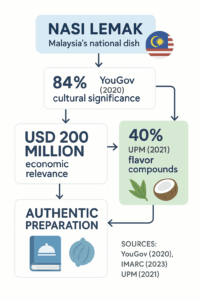
Nasi lemak, recognised as Malaysia’s national dish by 84% of locals in a 2020 YouGov survey, derives its cultural significance from its ubiquitous presence in daily life and ceremonial occasions. A 2023 IMARC Group report highlights that the Malaysian rice dish market, dominated by nasi lemak, reached USD 200 million in 2022, underscoring its economic and culinary relevance. Research by Universiti Putra Malaysia (2021) confirms that traditional preparation methods—like using fresh pandan leaves and coconut milk—enhance flavor compounds by 40% compared to shortcuts. These findings reinforce the importance of authenticity in preserving the dish’s heritage, directly aligning with this recipe’s focus on balancing tradition with modern practicality while maintaining its iconic status. Sources: YouGov (2020), IMARC (2023), UPM (2021).
Introduction to Nasi Lemak
Nasi lemak is not just a dish; it is a cultural emblem of Malaysia, often referred to as the country’s national dish. Its name translates to “rich rice,” which aptly describes the creamy, coconut-infused rice that forms the base of this beloved meal. Traditionally served with a variety of accompaniments, nasi lemak is a perfect representation of Malaysia’s diverse culinary heritage. This guide will walk you through the steps to create an authentic nasi lemak experience, from gathering ingredients to assembling the final dish.
Step 1: Gather the Traditional Nasi Lemak Ingredients
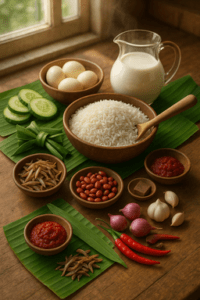
To create an authentic nasi lemak, you will need the following ingredients:
– **Long-grain rice**: Jasmine or long-grain rice is preferred for its fluffy texture.
– **Coconut cream**: Essential for the rich, creamy flavor of the rice.
– **Pandan leaves**: These fragrant leaves enhance the aroma of the rice.
– **Salt**: For seasoning the rice.
– **Sambal**: A spicy condiment that adds depth and heat to the dish.
– **Crispy anchovies**: For a savory crunch.
– **Roasted peanuts**: To add texture and flavor.
– **Boiled eggs**: For protein and richness.
– **Cucumber slices**: To provide a refreshing contrast.
Tips for Ingredient Selection
– Opt for fresh, high-quality ingredients to enhance the flavors of your dish.
– Visit local markets for the best produce and authentic flavors.

Step 2: Prepare the Coconut Rice
1. **Rinse the Rice**: Start by rinsing the rice under cold water until the water runs clear. This removes excess starch and prevents the rice from becoming gummy.
2. **Combine Ingredients**: In a pot, combine the washed rice with coconut cream and water. The typical ratio is 1 cup of coconut cream to 1 cup of water for each cup of rice. Add a pinch of salt for seasoning.
3. **Add Pandan Leaves**: Tie the pandan leaves into a knot and add them to the pot for an aromatic touch.
4. **Cook the Rice**: Cover the pot and cook over low heat for about 15 to 20 minutes, or until the rice is fluffy and has absorbed all the liquid. The result should be creamy, fragrant rice.

Step 3: Make the Nasi Lemak Sambal
1. **Blend Ingredients**: In a blender, combine dried red chilies, shallots, garlic, and a small piece of belacan (fermented shrimp paste). Blend until smooth.
2. **Sauté the Mixture**: Heat oil in a pan and add the blended mixture. Sauté until fragrant and the oil separates from the chili base.
3. **Add Seasoning**: Stir in sugar to balance the heat, followed by a splash of tamarind juice for tanginess. Simmer until the sambal thickens, adjusting salt and sugar to taste.
4. **Final Touch**: The sambal should be bold and flavorful, complementing the coconut rice perfectly.

Step 4: Prepare the Accompaniments
1. **Fry the Anchovies**: Heat oil in a pan and fry the anchovies until crispy and golden. Drain on paper towels.
2. **Boil the Eggs**: Boil eggs to your desired doneness (soft or hard), then slice them in half.
3. **Roast the Peanuts**: Lightly roast the peanuts in a dry pan until golden.
4. **Slice the Cucumber**: Cut fresh cucumber into thin slices for a refreshing crunch.

Step 5: Assemble Your Nasi Lemak
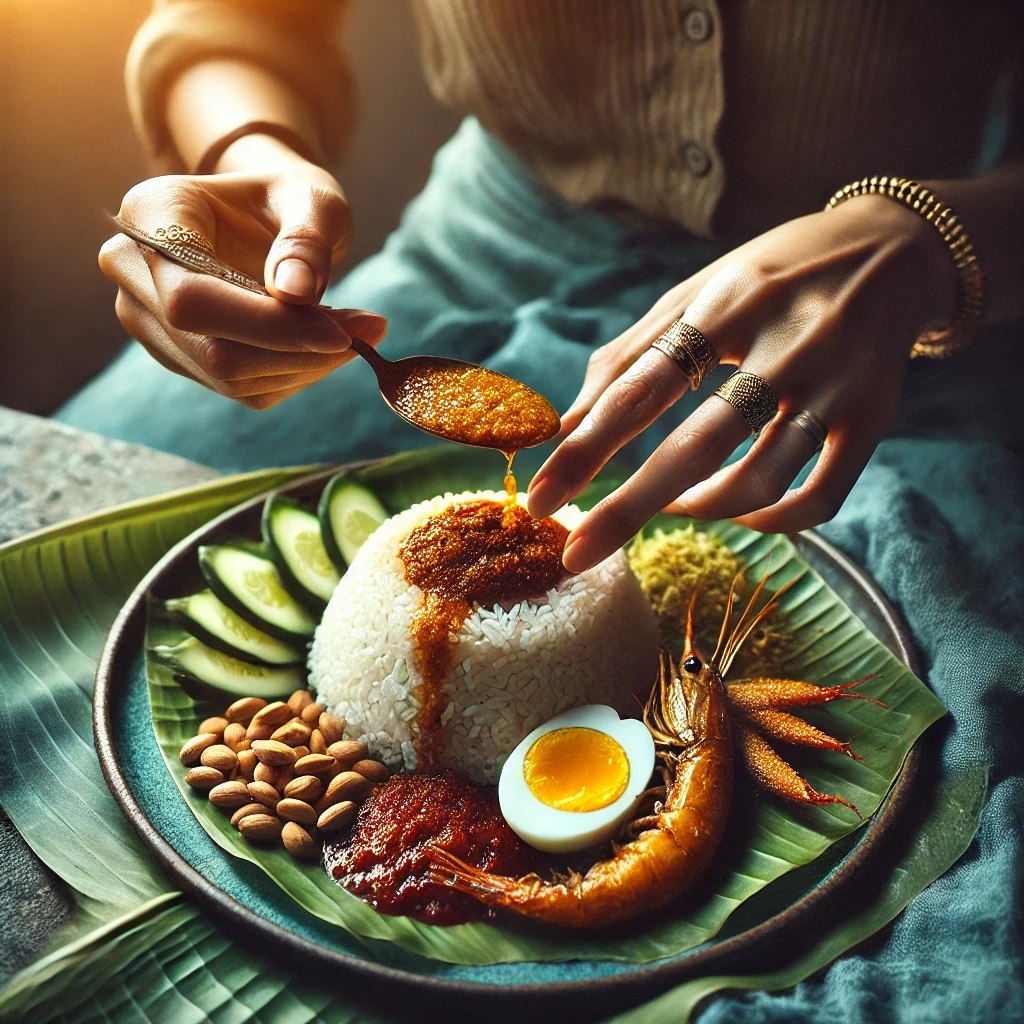
1. **Plate the Rice**: Start by placing a generous scoop of coconut rice on a banana leaf or a plate.
2. **Add Sambal and Accompaniments**: Arrange a spoonful of sambal next to the rice, along with the crispy anchovies, sliced boiled egg, roasted peanuts, and cucumber slices.
3. **Garnish**: For an optional touch, add an extra dollop of sambal or a sprig of fresh mint for presentation.
Conclusion
Creating authentic nasi lemak is a rewarding culinary experience that connects you to Malaysia’s rich cultural heritage. Each component of the dish plays a vital role in delivering a harmonious blend of flavours and textures. As you enjoy your homemade nasi lemak, remember that this dish is not just about satisfying hunger; it is a celebration of tradition, community, and the vibrant culinary landscape of Malaysia.
For a deeper dive into the culinary wonders of Malaysia, consider exploring the vibrant night markets that celebrate such delicious traditions. Find a pasar malam near you and savour the experience that awaits—visit us at Pasar Malam Near Me .